PRP for Pain: Controversial? A message to other Physicians and Specialists
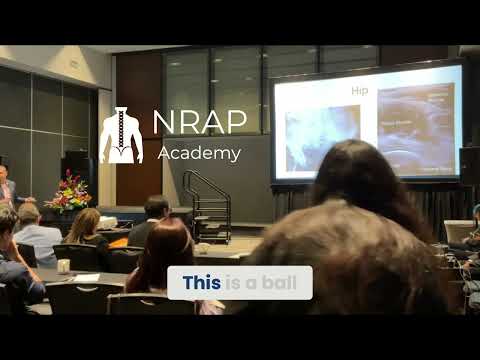
Dr. Rosenblum explains that PRP involves concentrating platelets from a patient's blood sample, typically achieving 8-10 times normal concentration, though some definitions accept 2-3 times. Dr. Rosenblum emphasizes that while PRP is sometimes considered experimental, it has proven effectiveness, particularly for knee and shoulder conditions. He discusses its advantages over traditional treatments, including longer-lasting relief than steroids and fewer side effects.
Previous
Painless Plantar Fascia Injection with PRP- David Rosenblum, MD
Next